First Nations Peoples’ Service in World War I
Grade: Years 9 and 10
Subject Area: History
Duration: 2- 3 lessons
Lesson Focus: Students will explore the reasons why Indigenous Australians enlisted in the Australian Defence Forces during wartime.
Content Descriptions
AC9HH10K10: the contributions of significant individuals and groups in the campaign for the recognition of the rights of First Nations Australians and the extent to which they brought change to Australian society;
AC9HH10S08: create descriptions, explanations and historical arguments, using historical knowledge, concepts and terms that incorporate and acknowledge evidence from sources;
AC9HH10S02: locate, identify and compare primary and secondary sources to use in a historical inquiry;
AC9HH10S06: compare perspectives in sources and explain how these are influenced by significant events, ideas, locations, beliefs and values.
Relevent Unit
Aboriginal Studies | HistoryRelevent Stage
Stage 5 | Stage 6
Torres Strait at War Lesson 1
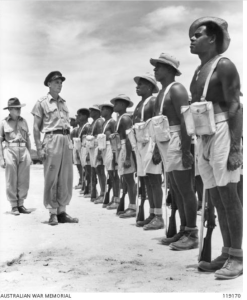
Image , From: Seekee, V. One Ilun Man from Australian War Memorial Site
Year 9 and 10 History
Lesson Duration: 2-3 Lessons
Lesson Outline
Students explore the reasons leading to the formation of the Torres Strait Light Infantry Battalion.
Content Descriptions
Sub-Strand: World War Two
AC9HH10K02: the places where Australians fought, and their perspectives and experiences during the Second World War, such as the fall of Singapore, prisoners of war (POWs), the Battle of Britain and Kokoda. For the purpose of this presentation, the students will look at the place of the Torres Strait.
Sub-Strand: Questioning and Researching: Communicating.
AC9HH10S08: create descriptions, explanations and historical arguments, using historical knowledge, concepts and terms that incorporate and acknowledge evidence from sources
AC9HH10S02: locate, identify and compare primary and secondary sources to use in a historical inquiry.
Sub-Strand: Historical Perspectives and Interpretations
AC9HH10S06: compare perspectives in sources and explain how these are influenced by significant events, ideas, locations, beliefs and values.
Relevent Unit
Aboriginal Studies | HistoryRelevent Stage
Stage 5 | Stage 6
Torres Strait at War, Lesson 2
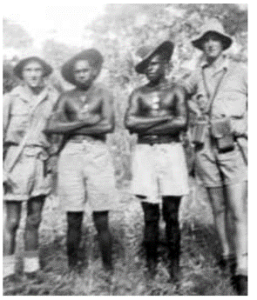
Photo: Don Myers via the Torres Strait Heritage Museum
Year 9 and 10 History
Lesson Outline
Students compare the differing held by non-Indigenous and First Nations service people on the treatment of Torres Strait Islander soldiers during World War II.
Content Descriptions
Sub-Strand: World War Two
AC9HH10K02: the places where Australians fought, and their perspectives and experiences during the Second World War, such as the fall of Singapore, prisoners of war (POWs), the Battle of Britain and Kokoda. For the purpose of this presentation, the students will look at the place of the Torres Strait.
Sub-Strand: Questioning and Researching: Communicating.
AC9HH10S08: create descriptions, explanations and historical arguments, using historical knowledge, concepts and terms that incorporate and acknowledge evidence from sources
AC9HH10S02: locate, identify and compare primary and secondary sources to use in a historical inquiry.
Sub-Strand: Historical Perspectives and Interpretations
AC9HH10S06: compare perspectives in sources and explain how these are influenced by significant events, ideas, locations, beliefs and values.
Relevent Unit
Aboriginal Studies | HistoryRelevent Stage
Stage 5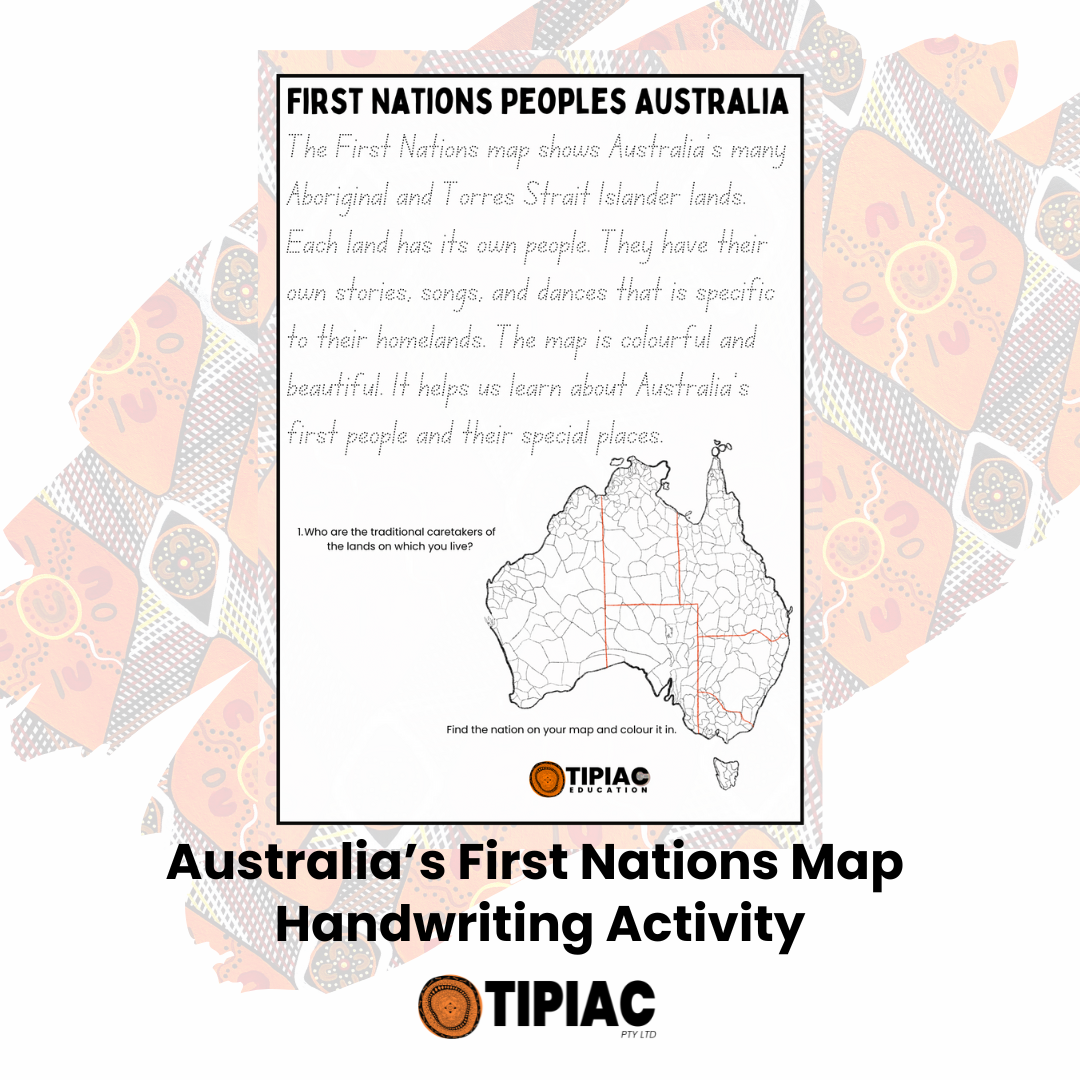
Understanding the First Nations Map through Handwriting
Understanding the First Nations Map through Handwriting
Overview:
This lesson is designed for Kindergarten and Year 1 students to develop their handwriting skills while learning about the First Nations map of Australia. It emphasises the cultural diversity of Aboriginal and Torres Strait Islander lands and peoples.
Educator Information:
- Prior to the lesson, familiarise yourself with the First Nations map and its significance.
- Be prepared to explain in simple terms the diversity of Aboriginal and Torres Strait Islander peoples, their connection to the land, and the importance of their stories, songs, and dances.
- Encourage respect and appreciation for cultural diversity throughout the lesson.
Relevent Unit
Aboriginal Studies | Geography | History | LiteracyRelevent Stage
Early Learning Stage 1 | Preschool | Stage 1
Relevent Unit
Aboriginal Studies | Creative Arts | Geography | HistoryRelevent Stage
Early Learning Stage 1 | Preschool | Stage 1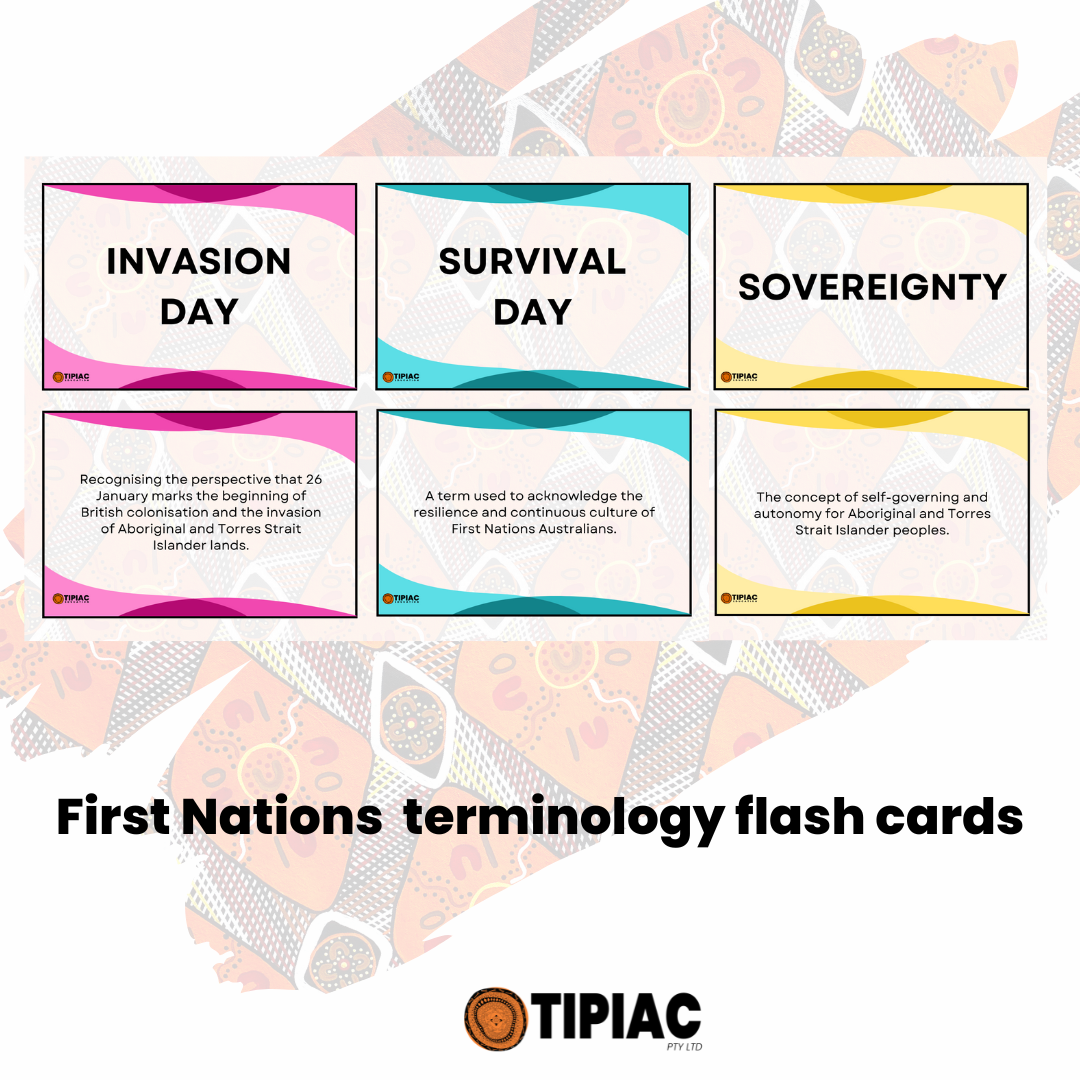
Understanding Diverse Perspectives on Australia Day
Objective:
- To educate students about the diverse perspectives surrounding Australia Day, particularly focusing on Aboriginal and Torres Strait Islander viewpoints.
Materials:
- Flashcards with key terms and phrases.
- Additional resources such as videos (links below in lesson), articles, and guest speakers (if possible).
Relevent Unit
Aboriginal Studies | History | LiteracyRelevent Stage
Stage 2 | Stage 3 | Stage 4
Year 7 History. The Day of Mourning: Lessons 3 and 4
Grade Level: Year 7
Subject Area: History
Duration: 2 lessons
Content Descriptions
Historical Perspectives and Interpretations
AC9HH7S03: Identify the origin, content, context and purpose of primary and secondary sources.
AC9HH7S07: Students explain historical interpretations about significant events, individuals and groups.
AC9HH7S05: Students describe causes and effects, and explain continuities and changes.
AC9HH7S08: Students create descriptions, explanations and historical arguments, using historical knowledge, concepts and terms that reference evidence from sources.
Relevent Unit
Aboriginal Studies | HistoryRelevent Stage
Stage 4 | Year 7 Year 7 History. The Day of Mourning: Lessons 1 – 2
The Day of Mourning: the first protest against Australia Day
Grade Level: year 7
Subject Area: History
Lessons weeks: 1 week.
Lessons 1 and 2.
Content Descriptions
Historical Perspectives and Interpretations.
AC9HH7S05: Students describe causes and effects, and explain continuities and changes.
AC9HH7S08: Students create descriptions, explanations and historical arguments using historical knowledge, concepts and terms that reference evidence from sources.
Relevent Unit
HistoryRelevent Stage
Stage 4 Year 8 History. The Day of Mourning: Lesson 2
Image: Gordon Hookey, Day of Mourning, 1997.
Image courtesy the artist and National Museum of Australia. From: https://www.mca.com.au/stories-and-ideas/marking-80-years-day-mourning/
Grade: 8
Subject Area: History
Duration: 2 lessons
Content Descriptions
Questioning and researching
AC9HH8So1: develop historical questions about the past to inform historical inquiry
Historical perspectives and interpretations
AC9HH8So5: describe causes and effects, and explain continuities and changes
AC9HH8So7: explain historical interpretations about significant events, individuals and groups
Communicating
AC9HH8So8: create descriptions, explanations and historical arguments, using historical knowledge, concepts and terms that reference evidence from sources
Relevent Unit
Aboriginal Studies | HistoryRelevent Stage
Stage 4 | Year 8 Year 8 History.The Day of Mourning: Lesson 1.
Year: 8
Subject Area: History
Duration: 1 lesson
Learning Objectives
Content Descriptions:
Using Historical Sources
AC9HH8So3: identify the origin, content, context and purpose of primary and secondary sources
AC9HH8S04: identify and describe the accuracy and usefulness of primary and secondary sources as evidence
Historical Perspectives and Interpretations
Ac9HH8S06: identify perspectives, attitudes and values of the past in sources
AC9HH9So7: explain historical interpretations about significant events, individuals and groups
Relevent Unit
Aboriginal Studies | HistoryRelevent Stage
Stage 4 | Year 8
Year 9 History. Change the Date: Lesson 2
Grade Level: Year 9
Subject Area: History
Duration: 2 Lessons minimum
Learning Objectives
Content Descriptions
Questioning and Research
AC9HH9So1: develop and modify a range of historical questions about the past to inform historical inquiry
AC9HH9So2: locate, identify and compare primary and secondary sources to use in historical inquiry
Communicating
AC9HHSo8: create descriptions, explanations and historical arguments, using historical knowledge, concepts and terms that incorporate and acknowledge evidence from sources
Knowledge and Understanding
AC9HH9Ko3: the causes and effects of European contact and extension of settlement, including their impact on the First Nations Peoples of Australia
Relevent Unit
Aboriginal Studies | HistoryRelevent Stage
Stage 5
Year 9 History. Change the Date Debate: Lesson 1
Grade Level: Year 9
Subject Area: History
Duration: 1-2 lessons
Learning Objectives
Content Descriptions
Knowledge and Understanding
AC9HH9Ko3: the causes and effects of European contact and extension of settlement, including their impact on the First Nations Peoples of Australia
Historical Perspectives and Interpretations
AC9HH9So6: compare perspectives in sources and explain how these are influenced by significant events, ideas, locations, beliefs and values
AC9HH9So7: analyse different and contested historical interpretations